Dollar heads for fourth weekly rise as Fed bets lift haven demand
The US dollar held near its strongest since early April 2025 as Fed tightening expectations and AI worries supported demand.
Top-rated brokers
Compare all 9- 1
 XMBest overall for gold CFDsGold spread0.25Visit XM (opens in a new tab)
- 2
 XTBGold CFDs and real gold ETFsGold spread0.35Visit XTB (opens in a new tab)
- 3
 PepperstoneMost regulatorsGold spread0.05Visit Pepperstone (opens in a new tab)
CFDs are complex instruments and come with a high risk of losing money rapidly due to leverage. You should consider whether you understand how CFDs work and whether you can afford to take the high risk of losing your money.

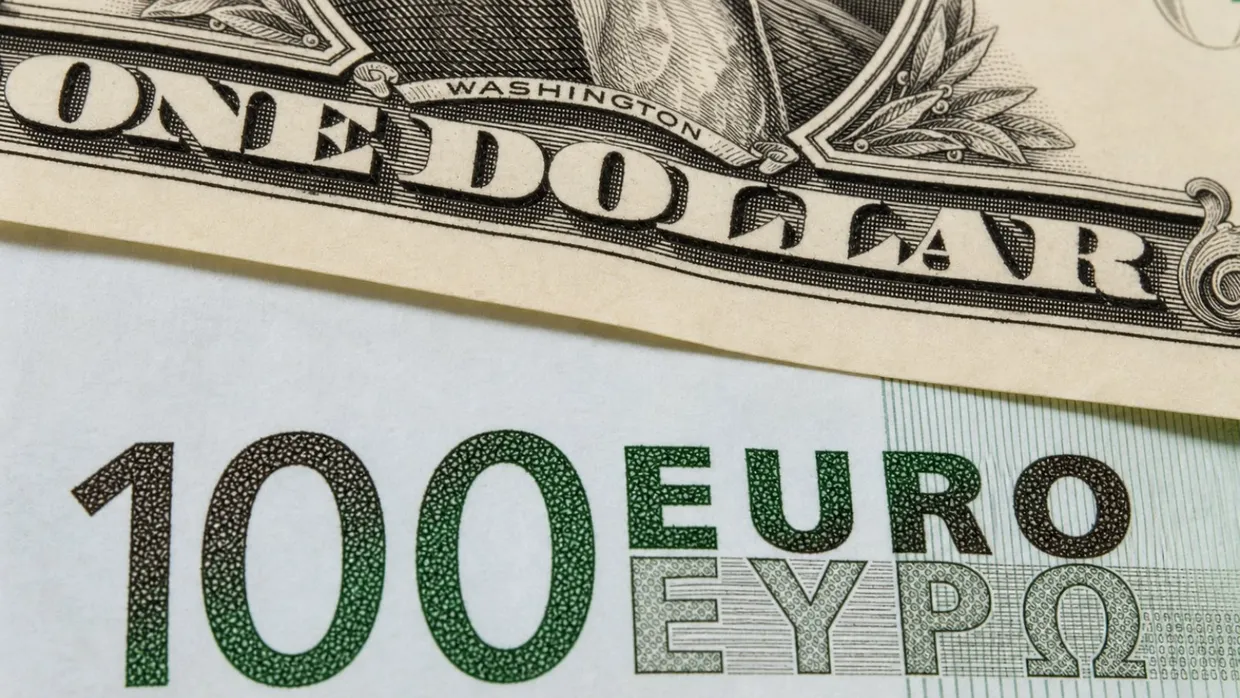
The US dollar held steady on Friday (Nov 20) and was set for a fourth consecutive weekly advance, supported by expectations that the US Federal Reserve will tighten policy further and by a broader move into havens as global stocks remained under pressure.
The dollar index was near 103.9, close to its strongest level since early April 2025. For XAU/USD traders, the main cross-market signal is the continued strength of the US currency and the hawkish policy backdrop, both of which remain central inputs for dollar-denominated gold pricing.
Fed outlook stays hawkish
The dollar’s latest leg higher began on Nov 10, when hotter-than-expected US inflation data strengthened the case for tighter policy. Fed governor Christopher Waller also said a 50 basis point increase in December should be considered.
Other Fed officials added to that tone. Federal Reserve Bank of Philadelphia president Anna Paulson said on Thursday that the central bank will need to raise interest rates again because inflation is too high. Chicago Fed president Austan Goolsbee said the evidence did not suggest inflation was returning to 2 per cent by itself.
Attention now turns to next week’s US personal consumption expenditures report, a key inflation measure for the Fed. Chris Turner, global head of markets at ING, said the data will likely confirm that the Fed needs to act, adding that there is “no reason for the Fed to drop its hawkish rhetoric anytime soon”.
Carol Kong, currency strategist at Commonwealth Bank of Australia, said the market discussion has shifted from whether the Fed raises rates in December to the size of the move. Kong said she still views 25 basis points as more likely, and that if policymakers want to accelerate tightening, they may prefer consecutive 25 basis point increases rather than a larger-than-usual move.
AI worries weigh on risk appetite
The dollar also drew support from weaker risk sentiment. Concerns tied to the artificial intelligence trade continued to weigh on global equities, and Anthropic’s record market debut on Thursday did little to restore confidence.
MSCI’s world index of stocks fell for a seventh straight session on Friday, its longest losing streak since 2023. Turner said there was only a weak case for another steep fall in equities, but the combination of market caution and hawkish Fed messaging kept the dollar well supported.
The stronger dollar has also put pressure on popular carry trades. In these trades, investors borrow in lower-yielding currencies such as the Japanese yen or Swiss franc to buy higher-yielding assets elsewhere, often in emerging markets. Turner said the foreign-exchange backdrop points to a “continued strong dollar” and further pressure on those positions.
Major currencies show the strain
Sterling remained close to a one-year low against the dollar at US$1.3105. The euro was also under pressure, trading near its lowest level since April 2025 and last buying US$1.0961.
The yen moved differently on Friday, firming 0.6 per cent against the dollar to 158.78. It was on course for a small weekly gain after three weeks of declines that had brought it close to the key 160 level.
Japan’s annual core inflation accelerated to 2.2 per cent in October, staying above the Bank of Japan’s 2 per cent target for a second straight month. The data pointed to broadening price pressures and strengthened the case for a near-term rate increase by the Bank of Japan.
Analysts at Capital Economics said the yen’s recent weakness is unlikely to persist. They argued that with long-term inflation expectations now around target, further increases in yields would mostly be in real terms. Together with their view that US yields will fall, that would be positive for the yen. Turner also said an unwind of carry trades should be a slight positive for the Japanese currency.