Early polar vortex breakdown puts Europe’s gas stocks under pressure
Weather risks are raising concern over Europe’s low gas storage, LNG demand and energy price volatility this winter.
Top-rated brokers
Compare all 9- 1
 XMBest overall for gold CFDsGold spread0.25Visit XM (opens in a new tab)
- 2
 XTBGold CFDs and real gold ETFsGold spread0.35Visit XTB (opens in a new tab)
- 3
 PepperstoneMost regulatorsGold spread0.05Visit Pepperstone (opens in a new tab)
CFDs are complex instruments and come with a high risk of losing money rapidly due to leverage. You should consider whether you understand how CFDs work and whether you can afford to take the high risk of losing your money.

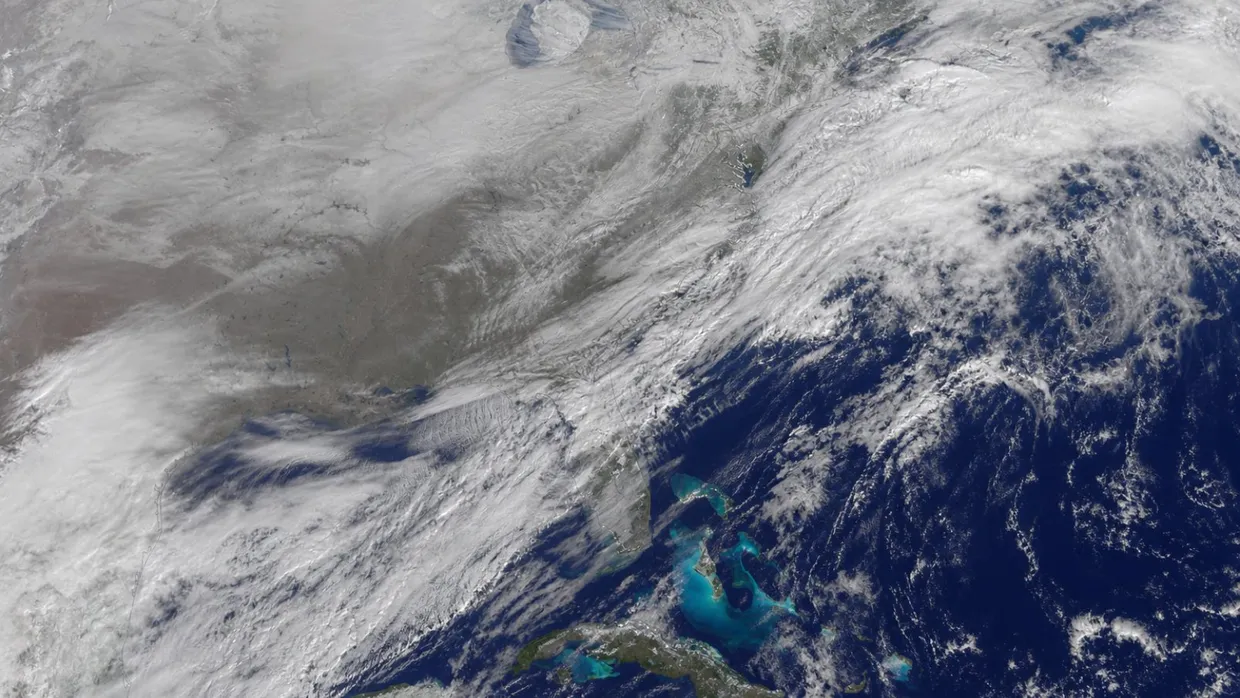
An unusually early disruption of the stratospheric polar vortex has put Europe’s energy market on alert, with forecasters and analysts watching whether colder weather will accelerate withdrawals from already thin gas inventories.
The weather risk is emerging alongside a powerful El Niño event, complicating expectations for the winter heating season. For gold and XAU/USD traders, the link is indirect but relevant: sharp moves in energy prices can form part of the broader macro backdrop watched across inflation-sensitive markets.
Weather risk
Meteorologists are observing a record early breakdown of the stratospheric polar vortex, the band of strong winds that normally helps keep very cold air contained near the North Pole. When that circulation weakens or shifts, weather patterns lower in the atmosphere can change, sometimes allowing colder conditions to reach parts of Europe and North America.
Simon Lee, a lecturer in atmospheric science at the University of St Andrews in the U.K., said a sudden stratospheric warming event occurring during an El Niño is not automatically unusual. The timing, however, has surprised forecasters.
Meteorologists had expected a polar vortex breakdown in February, not as early as November. Lee described the early disruption as “extremely rare” and said it could affect winter weather in northwest Europe and the eastern U.S., raising the probability of colder conditions.
The situation is unusual because the polar vortex disruption is occurring in the same winter as a powerful El Niño. El Niño is often linked with milder winters, while sudden stratospheric warming events tend to be associated with lower temperatures and heavier snowfall.
Storage squeeze
Europe entered the winter with natural gas storage at its lowest level in more than a decade, based on International Energy Agency data. That leaves the region more exposed if cold weather lifts heating demand and forces faster withdrawals from storage.
The IEA warned earlier this month that low European storage and limited storage options in several LNG-importing countries in Asia and South America could increase competition for cargoes during high-demand periods. That competition could add upward pressure to prices.
Florence Schmit, senior energy strategist at Rabobank, said energy traders had spent months expecting El Niño to bring a milder European winter and relatively limited heating demand. That view had been seen as helpful because regional supplies of gas and crude oil were already tight.
Schmit said Europe’s gas storage sites had seen “very, very strong withdrawals” over the last two weeks, which she considered unusual for this point in the year. If similar withdrawals continue over the next couple of months, she warned that weather, rather than geopolitics, could drive another bout of energy price volatility.
David Lewis, principal research analyst of gas and liquefied natural gas at Wood Mackenzie, said there is no historical precedent for an early polar vortex breakdown and a super El Niño occurring in the same winter. He said the combined effect on global gas demand is therefore uncertain.
Market impact
European gas prices have already been elevated. In late October, prices reached 103.9 euros, or $113.99, per megawatt hour, a level not seen since the 2022 energy crisis. Dutch TTF futures for December delivery were around 87.28 euros on Friday afternoon.
Lewis said the start of the European heating season has been cold, with low wind speeds across Northern Europe adding to the pressure. Lower wind output can increase the call on gas-fired power generation, tightening balances when temperatures also support heating demand.
He said the drawdown in stocks during the first half of November was among the highest on record. With inventories low at the start of winter, any further deterioration in temperatures or wind speeds could have an outsized effect on European gas balances and push prices higher across the region.
The risk for markets is that weather and geopolitics are now both contributing to uncertainty. Supplies from the Middle East are disrupted, while Europe may need to rely more heavily on imported LNG if cold conditions persist and storage levels fall faster than expected.