China’s gold import surge reshapes trade surplus outlook
China’s record gold imports have softened its headline trade surplus while bullion prices remain under pressure.
Top-rated brokers
Compare all 9- 1
 XMBest overall for gold CFDsGold spread0.25Visit XM (opens in a new tab)
- 2
 XTBGold CFDs and real gold ETFsGold spread0.35Visit XTB (opens in a new tab)
- 3
 PepperstoneMost regulatorsGold spread0.05Visit Pepperstone (opens in a new tab)
CFDs are complex instruments and come with a high risk of losing money rapidly due to leverage. You should consider whether you understand how CFDs work and whether you can afford to take the high risk of losing your money.

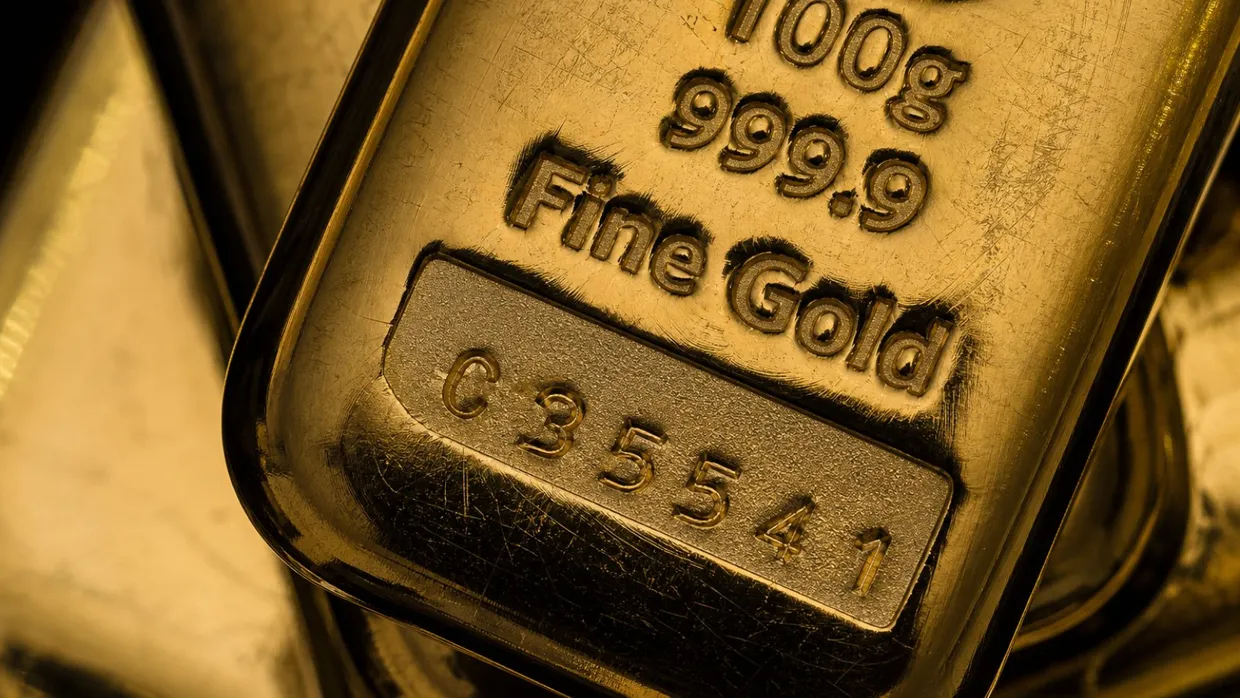
China’s gold imports have climbed to a record US$209 billion so far in 2026, adding an unusual dimension to the country’s trade figures as global scrutiny of its surplus intensifies.
The buying wave began in January, the same month Vice-Premier He Lifeng told an audience in Davos that China should become the world’s marketplace rather than only its factory. By October, non-monetary gold purchases had reached a historical high, equal to nearly 8 per cent of China’s total imports over the 10-month period.
For gold markets, the flows highlight China’s continuing role as the world’s largest producer and consumer of the metal. They also show how bullion can affect trade data differently from most goods, because it is both a physical import and a financial asset.
Record buying
The value and volume of bullion imports more than doubled in January from the previous month, starting a run that continued through October. China controls physical gold flows tightly, with the People’s Bank of China issuing quotas to a selected group of lenders. The precise size and timing of those allocations are not public.
Brad Setser, a former US Treasury official now at the Council on Foreign Relations, said the speed of the increase points to a possible “policy shift”. He said it was plausible that quotas were expanded to allow more imports and reduce the reported trade surplus.
The People’s Bank of China and the General Administration of Customs did not immediately respond to requests for comment.
A new licensing regime introduced in June gave banks more flexibility in using quotas. Higher local prices and a stronger yuan also made overseas gold purchases cheaper for approved importers.
Hong Kong, Switzerland, Australia and South Africa have been the biggest exporters of gold into China, official data show.
Trade balance
The surge in bullion buying has helped stop China’s goods surplus from rising even further above last year’s record. Without gold, the gap between exports and imports would have passed US$1 trillion in September, rather than crossing that mark a month later.
Tommy Xie, an economist at Oversea-Chinese Banking Corp, said higher gold imports mechanically lower the headline merchandise trade surplus and its share of GDP, offering “some marginal relief” in trade disputes.
Setser estimates China would run a US$1.5 trillion surplus for the full year without the gold accumulation. At the current pace, he expects the imbalance to be about US$1.3 trillion.
Even with the bullion purchases, China’s overall surplus remains on track to exceed last year’s record of US$1.2 trillion. Imports rose 29 per cent in the first 10 months of 2026 from a year earlier, after a long period of stagnation or declines since 2022.
Gold was not the only reason import values rose. Higher global prices for energy, metals and chips also lifted the import bill, while underlying domestic demand remained weak. In volume terms, imports contracted in August and September. Export volumes, by contrast, have grown on strong external demand, even as prices also supported export values.
Market impact
Chinese households have turned to gold in recent years as property and other traditional stores of value weakened. Demand has stayed resilient in 2026 even as bullion became less expensive, widening the local premium over global benchmarks.
Gold has lost about a third of its value since the US-Iran war began in late February. Higher energy costs have fed inflation and pushed expectations for interest-rate cuts further into the future, weighing on the precious metal. It tumbled nearly 9 per cent last week after reaching its lowest level since September 2025.
The composition of China’s demand has also changed. Jewellery now accounts for less than a third of bullion demand, according to the World Gold Council, and jewellery consumption in the first half was the weakest in two decades. Investment demand has become a more important driver over the past two years.
The PBOC has also been buying gold for two straight years. It was the largest disclosed buyer among global central banks in the third quarter, and its October purchases were the biggest in three years. Central bank gold purchases are not included in the goods trade balance.
Xing Zhaopeng, senior China strategist at Australia & New Zealand Banking Group, expects gold imports to remain elevated, saying the metal is one of the few assets China can still buy in large volume while preserving value.