Fed official says inflation work remains as rate bets shift
Kansas City Fed President Jeff Schmid said US inflation remains too high, while futures markets price in another December increase.
Top-rated brokers
Compare all 9- 1
 XMBest overall for gold CFDsGold spread0.25Visit XM (opens in a new tab)
- 2
 XTBGold CFDs and real gold ETFsGold spread0.35Visit XTB (opens in a new tab)
- 3
 PepperstoneMost regulatorsGold spread0.05Visit Pepperstone (opens in a new tab)
CFDs are complex instruments and come with a high risk of losing money rapidly due to leverage. You should consider whether you understand how CFDs work and whether you can afford to take the high risk of losing your money.

Kansas City Federal Reserve President Jeff Schmid said the US central bank still has a responsibility to tackle inflation, arguing that price pressures remain above the Fed’s objective and are moving in the wrong direction.
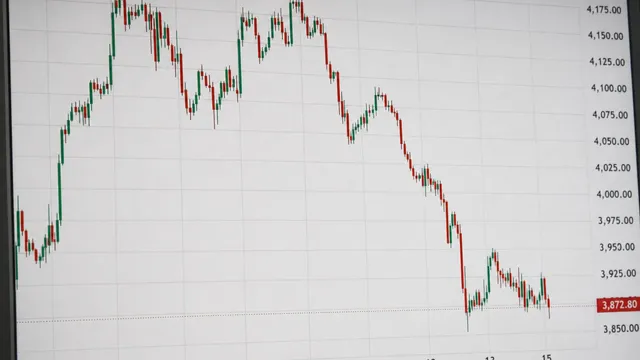
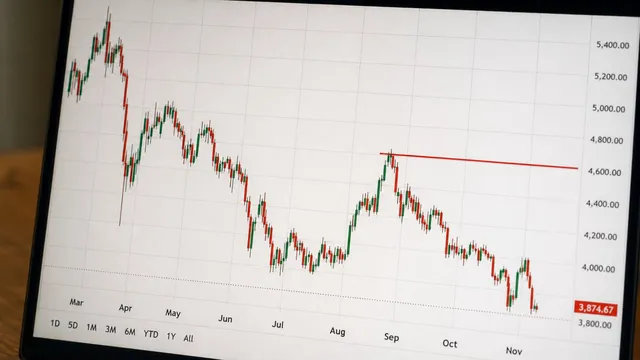
His remarks come after the Federal Reserve lifted interest rates by a quarter-percentage point in September to a 3.75-4 per cent range, then left rates unchanged at last month’s meeting. For gold and XAU/USD traders, the comments add to the focus on how firmly policymakers may respond to inflation before the next Fed decision.
Schmid says inflation remains too high
Schmid, speaking on Sunday (Nov 15) at a credit union conference in Hawaii, said inflation is still “uncomfortably above” the Fed’s 2 per cent price stability target.
He did not make a direct call for another interest rate increase. Instead, he pushed back against arguments that current inflation is outside the central bank’s ability to control.
Schmid said the Fed has both the tools and the responsibility to respond when price pressures are “running too hot”. He also said the central bank has more work ahead on inflation.
The Kansas City Fed chief is not a voting member of the Federal Open Market Committee this year, but his comments add to a broader debate among officials over whether policy is restrictive enough after the September increase.
Supply and demand debate in focus
Schmid challenged the idea that high inflation can mainly be explained by repeated supply shocks. In his view, supply disruptions push prices higher when demand is strong, meaning demand remains part of the inflation process.
Because the Fed can influence demand through monetary policy, Schmid said it still has a role in addressing inflation. He argued that describing inflation as mostly a supply-side problem understates the central bank’s ability to bring price growth back toward its objective.
He also rejected the argument that some current sources of demand-led inflation, including the artificial intelligence buildout, are largely immune to Fed policy.
Schmid said reaching the inflation goal does not require the Fed to react to any single category of prices, including prices tied to AI-related technology goods. His broader point was that neither supply shocks nor particular sources of demand should be treated as beyond the reach of monetary policy.
December rate expectations build
Recent inflation readings have come in higher than expected, while other Fed officials, including Governor Christopher Waller, have also made comments watched by markets.
Interest rate futures markets are now fully priced for a quarter-point increase at the December meeting, with a small probability attached to a half-point move.
That repricing matters across major markets because expectations for Fed rates can influence the US dollar and interest-rate-sensitive assets. Gold traders typically monitor those shifts closely, as the path of US policy remains central to XAU/USD sentiment.
Schmid’s message was that inflation control remains within the Fed’s mandate and capacity. While he stopped short of demanding an immediate move, his remarks reinforced the idea that policymakers are not ready to declare the inflation fight finished.