Gold faces rate-risk pressure as Trump weighs Iran strikes
Trump is considering new strikes on Iran as oil traders price risks to Gulf shipping and energy infrastructure.
Top-rated brokers
Compare all 9- 1
 XMBest overall for gold CFDsGold spread0.25Visit XM (opens in a new tab)
- 2
 XTBGold CFDs and real gold ETFsGold spread0.35Visit XTB (opens in a new tab)
- 3
 PepperstoneMost regulatorsGold spread0.05Visit Pepperstone (opens in a new tab)
CFDs are complex instruments and come with a high risk of losing money rapidly due to leverage. You should consider whether you understand how CFDs work and whether you can afford to take the high risk of losing your money.

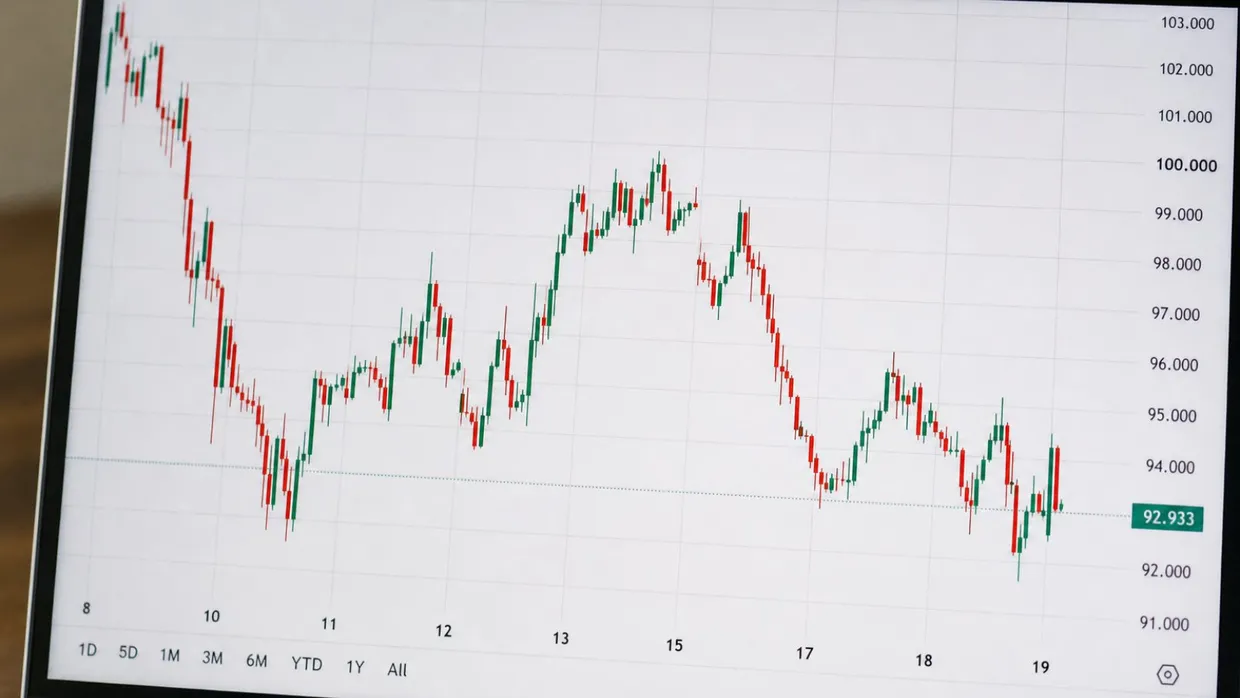
President Donald Trump is considering another round of extensive military strikes on Iran, while Israel is urging Washington to join a four- to seven-day air campaign. No decision has been made, but the discussions have added to geopolitical risk in energy markets.
For gold traders, the key issue is not only the possibility of military escalation. A renewed US-Israeli campaign could lift the risk premium in crude oil, reinforcing inflation concerns that Federal Reserve officials raised this week and keeping rate expectations in focus.
Israel presses for a short campaign
Israel is seeking a brief but intense operation against Iran, with officials warning that Tehran has rebuilt its missile and drone arsenals and is advancing chemical and biological weapons programmes. The deliberations are being shaped by that intelligence, as well as by the current US military presence in the region.
Trump is weighing whether the United States should use that available firepower while it remains in place. The decision is described as finely balanced, with the administration divided over the strength of the intelligence and the risks of striking Iran again.
Talks have intensified over the past week. Mossad director Roman Gofman held meetings in Washington, including with CIA director John Ratcliffe. Other senior Israeli officials, including military intelligence chief Shlomi Binder, have also argued for renewed operations in discussions with US counterparts.
Israeli Prime Minister Benjamin Netanyahu is pushing for joint action. His political position is described as fragile after elections last month, adding another layer to the calculations around any new campaign.
Oil markets price Gulf risks
The market concern is that any fresh US-Israeli strikes could trigger Iranian retaliation against Gulf shipping or regional energy infrastructure. Traders are especially focused on the Strait of Hormuz, the world’s most important oil chokepoint.
A loaded tanker was struck by an unidentified projectile while sailing outbound through the Strait of Hormuz on Wednesday. The incident underlined the vulnerability of shipping routes at a time when investors are already watching for signs of further escalation.
Crude prices have moved higher on Thursday as traders assess the possibility of US military action. Reports of possible strikes against Iran have produced sharp rallies in oil several times this year, and markets are likely to remain sensitive to any signal from the White House in the days ahead.
The main questions are whether Trump decides to act, how long any campaign would last and whether Iran would respond by targeting shipping or energy facilities. Until those questions are answered, analysts expect oil to retain a larger risk premium.
Why gold may not rally on escalation
Gold often attracts attention during geopolitical stress, but this conflict has carried a different market channel. Higher oil prices can feed directly into inflation worries, which in turn may support the case for further US rate hikes.
That rate-risk link helps explain why gold has tended to weaken rather than rally during escalation in this conflict. When traders focus on inflation and the possibility of higher US rates, the usual haven demand for bullion can be offset by pressure from yields and the dollar.
Currency markets are also exposed through the energy channel. Oil importers’ currencies, notably the yen, are vulnerable to a further rise in energy costs. Energy stocks, by contrast, stand to benefit from higher crude prices.
For XAU/USD, the immediate focus is therefore likely to remain on whether oil-driven inflation concerns strengthen expectations for tighter Fed policy. Clearer signals from Washington on Iran could decide whether the risk premium in crude fades or becomes a more persistent headwind for gold.