BOJ keeps rate-hike path in view as yen weakness fuels inflation concern
Kazuo Ueda said Japan’s consumption should recover as analysts watch for a possible BOJ rate rise in December.
Top-rated brokers
Compare all 9- 1
 XMBest overall for gold CFDsGold spread0.25Visit XM (opens in a new tab)
- 2
 XTBGold CFDs and real gold ETFsGold spread0.35Visit XTB (opens in a new tab)
- 3
 PepperstoneMost regulatorsGold spread0.05Visit Pepperstone (opens in a new tab)
CFDs are complex instruments and come with a high risk of losing money rapidly due to leverage. You should consider whether you understand how CFDs work and whether you can afford to take the high risk of losing your money.

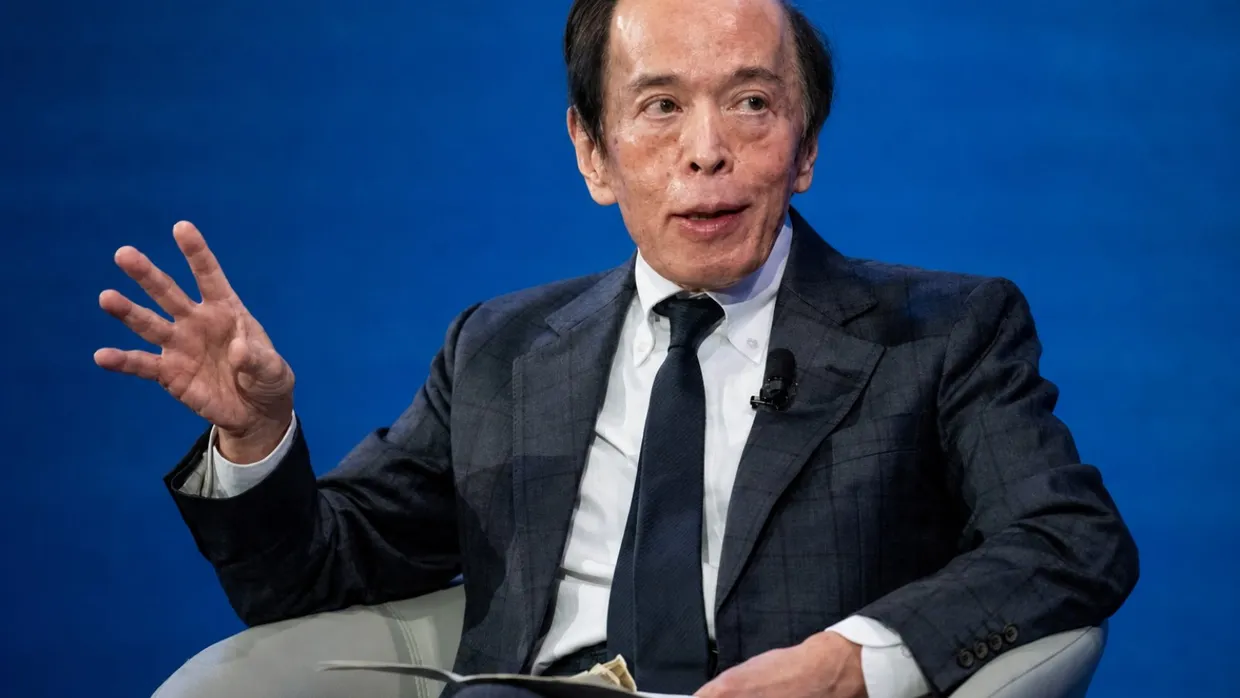
Bank of Japan governor Kazuo Ueda signalled that the central bank remains on a path of higher interest rates, while playing down concern that weaker household spending will derail policy normalisation.
Speaking in parliament on Thursday (Nov 19), Ueda said consumer demand should recover after a soft patch, and warned that yen weakness could have a broader inflationary effect if companies continue passing higher costs to consumers. For XAU/USD traders, the immediate relevance is the global rates and US dollar backdrop, rather than any direct BOJ comment on gold.
Ueda plays down consumption dip
Questions over Japan’s demand outlook have intensified after private consumption fell in third-quarter gross domestic product data. Some analysts have focused on whether that decline could affect the pace and timing of future BOJ rate increases.
Ueda said the weakness was partly due to the rising cost of living and bad weather, and argued that consumer spending remained resilient overall. He told parliament that nominal wages should keep increasing, while inflation is expected to slow gradually, supporting household income.
The governor said the BOJ expects consumption to return to a moderate uptrend after what it sees as a temporary slowdown. That assessment supports the central bank’s view that the economy can withstand tighter policy even after earlier rate increases.
Ueda also said financial conditions remain loose despite past moves. In his view, short-term real interest rates, which he described as most relevant for economic activity, remain low and are still supporting growth.
Weak yen remains a policy concern
The yen’s decline remains a major issue for Japanese policymakers because it raises the cost of imported raw materials and feeds into prices for food and everyday goods.
The currency has dropped 1.8 per cent for the year to date and has traded near 160 per US dollar, a level seen as increasing the possibility of currency intervention. The dollar has been supported by growing expectations that the US Federal Reserve will raise rates next month.
Ueda said the BOJ is watching the risk that a weaker yen and higher crude oil prices, if sustained, could squeeze real household income and weigh more heavily on consumption than expected. He also said yen weakness could now have a larger effect on inflation than in the past because companies have become more willing to pass on higher costs through price increases.
The governor said it is important to anchor underlying inflation around the BOJ’s 2 per cent target in order to prevent an inflation overshoot that could damage the economy.
Analysts look to December decision
A majority of analysts polled by Reuters expect the BOJ to raise interest rates in December and to follow with another increase by the end of March.
The central bank raised its policy rate to 1.25 per cent in September, after another hike in June. That marked a shorter interval than the roughly twice-a-year pace of rate increases seen in 2024 and 2025.
The BOJ left rates unchanged last month after declaring victory in its long effort to reach its price target. Ueda’s latest comments indicate that the central bank still sees room to lift borrowing costs if wages, prices and consumption evolve in line with its outlook.
For currency markets, the contrast between BOJ tightening expectations and the dollar’s support from possible Federal Reserve action keeps the yen in focus. That dollar backdrop is also relevant across precious metals markets, where traders often monitor shifts in rate expectations and exchange rates.