Gold watches oil retreat as Hormuz risk premium fades
Oil is near three-month lows despite fresh Hormuz incidents, shifting attention to inflation, Fed expectations and gold.
Top-rated brokers
Compare all 9- 1
 XMBest overall for gold CFDsGold spread0.25Visit XM (opens in a new tab)
- 2
 XTBGold CFDs and real gold ETFsGold spread0.35Visit XTB (opens in a new tab)
- 3
 PepperstoneMost regulatorsGold spread0.05Visit Pepperstone (opens in a new tab)
CFDs are complex instruments and come with a high risk of losing money rapidly due to leverage. You should consider whether you understand how CFDs work and whether you can afford to take the high risk of losing your money.

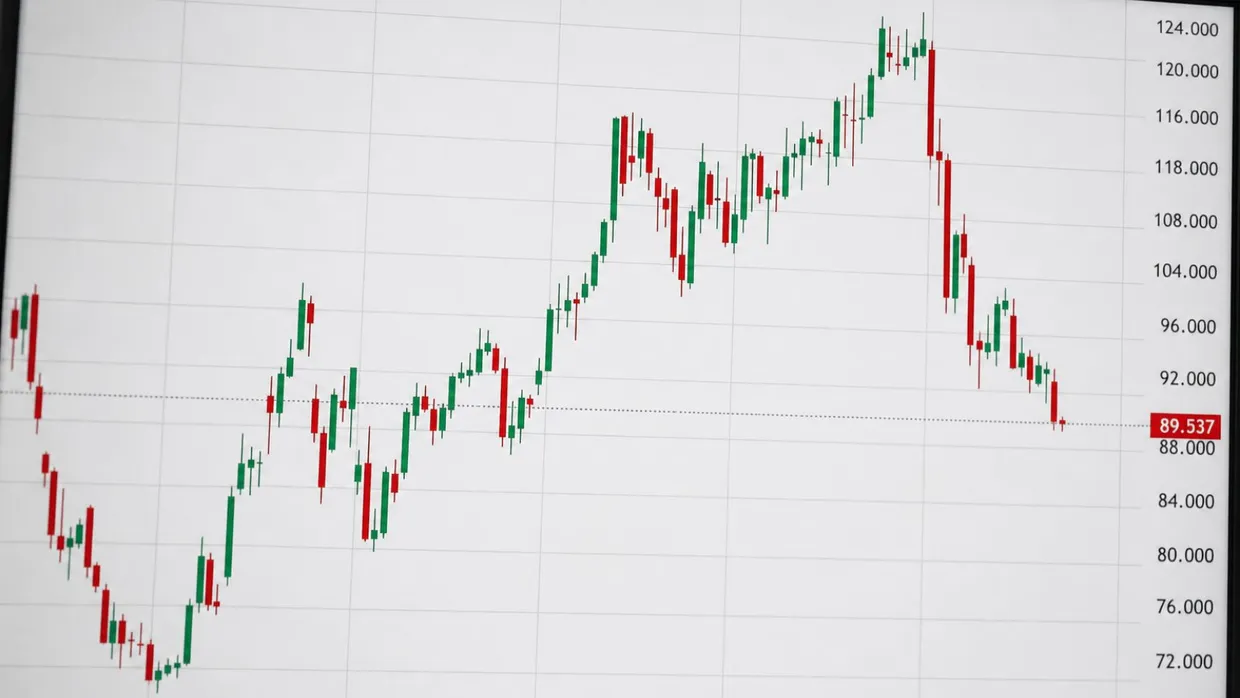
Oil markets are showing a muted response to fresh incidents in the Strait of Hormuz, with prices sitting near three-month lows as traders focus more on supply than shipping risk.
That shift matters for gold and XAU/USD because crude has been a key part of the recent inflation and interest-rate debate. Gold has fallen during the war as higher oil prices fed expectations for tighter Federal Reserve policy. If crude keeps retreating, it could ease some of that pressure.
Hormuz risk loses its grip on oil
Brent crude traded around $89 a barrel early on Tuesday after posting its lowest close since August 31 on Monday. US West Texas Intermediate slipped below $80 after touching its weakest level since August 26.
The decline comes even though tensions around Hormuz remain active. Iran’s Revolutionary Guards navy said three oil tankers caught fire after hitting naval mines in the strait on Monday. The tankers were described as “violating” vessels by Iran’s Press TV, and the claim has not been independently confirmed.
The Wall Street Journal also reported that the United States is examining whether Iran was involved in cyberattacks on as many as 50 energy tankers.
In earlier stages of the conflict, headlines from the strait tended to lift oil prices quickly. The latest price action suggests traders are treating such risks as a continuing background cost rather than a fresh reason to reprice crude sharply higher.
Brent is still well above the roughly $72 level seen in late February, before the US war with Iran began. Even so, the retreat this month points to a clear change in market tone.
Supply signals take the lead
The main driver behind the softer oil market is supply. Deutsche Bank said global observed liquids inventories increased by 52 million barrels in October, implying an oversupply of 1.7 million barrels a day.
The bank said evidence is building that the market is moving into surplus, although setbacks could slow that process.
Libyan output is another focus. The Sharara oil pipeline has reopened, and crude has started flowing into storage at the Akakus facility in Zawiya, the head of the National Oil Corporation told Reuters.
US inventory data are also being watched. A preliminary Reuters poll pointed to a rise in US crude and product inventories last week.
These supply signals have reduced the influence of geopolitical headlines on day-to-day crude pricing. For broader markets, the question is whether this is a durable surplus or only a temporary improvement.
Fed debate feeds through to gold
Lower crude prices can reduce headline inflation pressure if the move is sustained. BlackRock argued this week that the energy shock’s effect on US inflation has peaked and will turn into a drag next year, giving the Federal Reserve room to raise rates less than markets expect.
New York Fed President John Williams took a more cautious view, describing the energy price outlook as uncertain and a key force behind high inflation.
For gold, the distinction is important. XAU/USD is sensitive to expectations for US interest rates because higher rate expectations can lift yields and the dollar, both of which tend to weigh on non-yielding assets. If oil weakness strengthens the case for a shorter Fed hiking cycle, it would remove one headwind that has pressured bullion during the conflict.
Thin buffers keep upside risk alive
Analysts are not treating the oil shock as finished. ANZ said that despite some improvement in inventories and product availability, the market remains under severe strain.
ANZ said prices, time spreads, refining margins and investor positioning increasingly show expectations for normalisation. At the same time, logistics remain constrained and inventory buffers are thin.
That leaves crude vulnerable to a sudden move if an incident in Hormuz disrupts actual flows rather than merely adding another headline. A confirmed supply disruption through the strait would test how much protection the market has after months of strain.
For gold traders, the immediate link remains indirect but important: oil prices influence inflation expectations, which shape the Fed outlook and the dollar backdrop. As long as crude stays soft, attention will remain on whether easing energy pressure can give gold more room to stabilise.