Fed independence dispute widens as Cook rejects White House hearing
Lisa Cook refused to appear before a White House panel weighing her removal from the Fed, escalating a dispute over central bank independence.
Top-rated brokers
Compare all 9- 1
 XMBest overall for gold CFDsGold spread0.25Visit XM (opens in a new tab)
- 2
 XTBGold CFDs and real gold ETFsGold spread0.35Visit XTB (opens in a new tab)
- 3
 PepperstoneMost regulatorsGold spread0.05Visit Pepperstone (opens in a new tab)
CFDs are complex instruments and come with a high risk of losing money rapidly due to leverage. You should consider whether you understand how CFDs work and whether you can afford to take the high risk of losing your money.

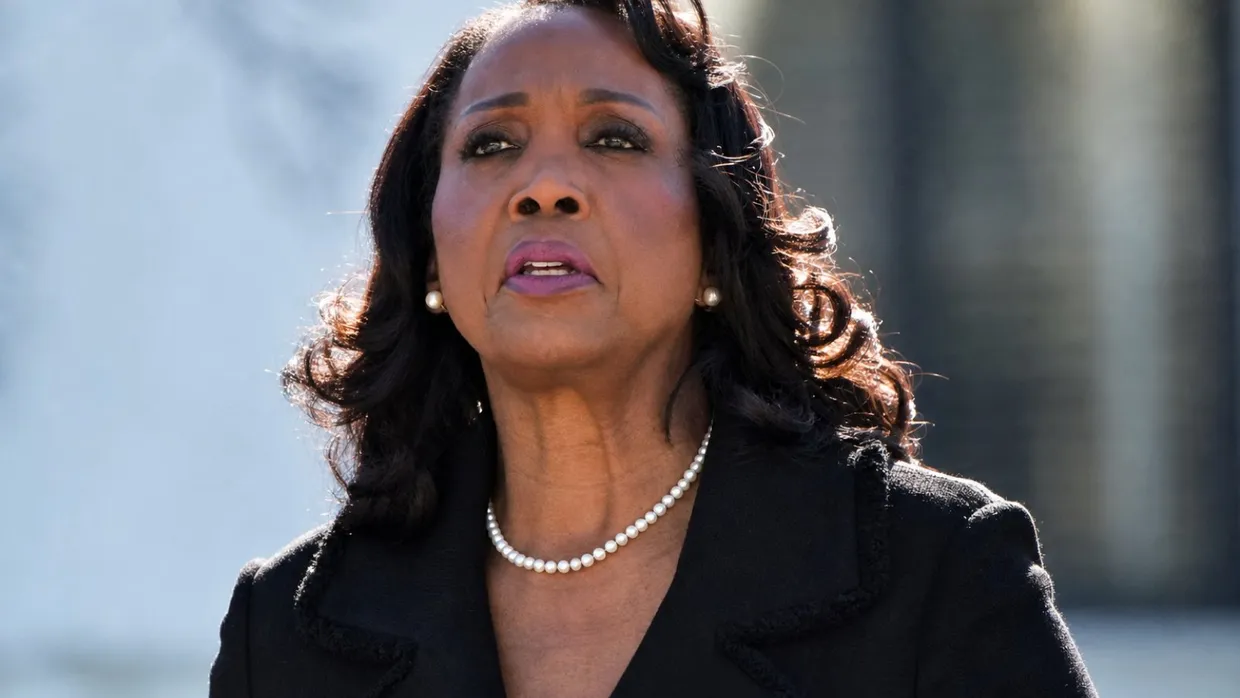
Federal Reserve governor Lisa Cook has declined, through her lawyers, to appear before a Trump administration committee considering whether she should be removed from the central bank’s board.
The dispute adds to a broader fight over the independence of the Federal Reserve, an issue closely watched by gold and currency traders because perceptions of political pressure on interest-rate policy can influence expectations for borrowing costs and the US dollar.
Hearing dispute
Trump administration officials have pressed Cook to appear before a White House committee over allegations that she committed mortgage fraud in 2021, before she joined the Fed’s board of governors. Cook denies the allegation.
Her lawyer, Abbe David Lowell, told White House counsel William Scharf in a letter released Tuesday that Cook had no legal obligation to take part in what he described as an unfair process. Lowell said the panel appeared to be aimed at masking a “predetermined decision” to dismiss her.
The White House had initially demanded that Cook appear on Nov. 6. Officials have also indicated they may proceed even if she does not attend. In a Nov. 3 letter, they said the three-member committee could draw negative conclusions from her refusal to participate.
The committee, described by the White House as a committee of inquiry, consists of Kevin Hassett, President Donald Trump’s top economic adviser; Andrea Lucas, whom Trump appointed to lead the Equal Employment Opportunity Commission; and Keith Sonderling, Trump’s pick for Labor Secretary.
Legal backdrop
Trump has sought to fire Cook since August 2025. Cook has argued that the attempt threatens the Fed’s independence and reflects Trump’s desire to push the central bank toward lower borrowing costs.
In June, the Supreme Court blocked Trump from removing Cook while litigation over the attempted firing continues. The court said the Federal Reserve’s structure depends not only on actual independence but also on the “appearance of independence.”
The Supreme Court also said in a footnote that Trump could try again to remove Cook if the administration provided adequate notice and gave her an opportunity to respond. The White House committee is an effort to satisfy those conditions.
The law governing the Federal Reserve says a president may remove a Fed governor only “for cause.” The Supreme Court did not decide whether Cook’s alleged actions met that standard. The White House has said the committee will recommend whether cause exists to fire her.
At an Oct. 28 press conference, Fed Chairman Kevin Warsh was asked whether he or the Fed would be involved in the hearing against Cook. He said it would not, to his knowledge.
Market context
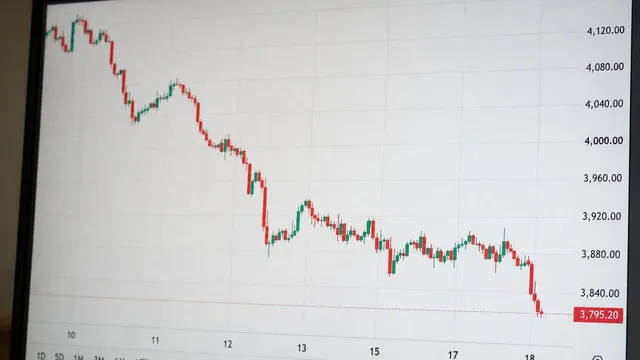
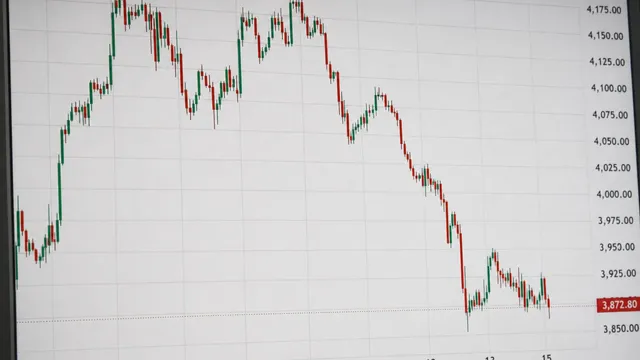
The confrontation comes at a sensitive point for markets because the Fed’s policy independence is central to how investors assess future interest rates, bond yields and the dollar. Gold traders often monitor such developments because shifts in rate expectations and confidence in the US currency can affect demand for non-yielding assets.
For now, the issue remains a legal and institutional dispute rather than a monetary policy decision. The committee has not issued a recommendation, Cook remains on the Fed board while litigation continues, and the Supreme Court has left unresolved the question of what would qualify as sufficient cause for removal.