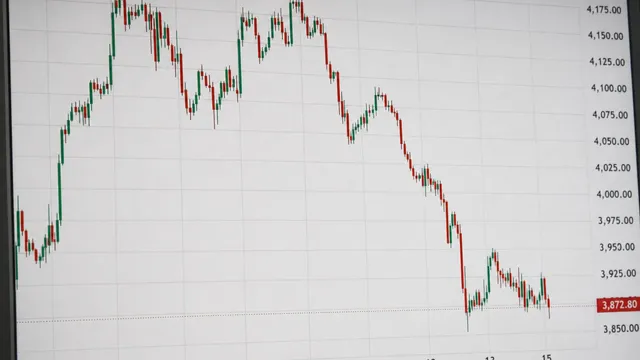
Gold falls below $3,800 as Treasury yields overshadow haven demand
Gold slipped under $3,800 as high US yields, Fed hike bets and a firm dollar outweighed Middle East haven demand.
Top-rated brokers
Compare all 9- 1
 XMBest overall for gold CFDsGold spread0.25Visit XM (opens in a new tab)
- 2
 XTBGold CFDs and real gold ETFsGold spread0.35Visit XTB (opens in a new tab)
- 3
 PepperstoneMost regulatorsGold spread0.05Visit Pepperstone (opens in a new tab)
CFDs are complex instruments and come with a high risk of losing money rapidly due to leverage. You should consider whether you understand how CFDs work and whether you can afford to take the high risk of losing your money.

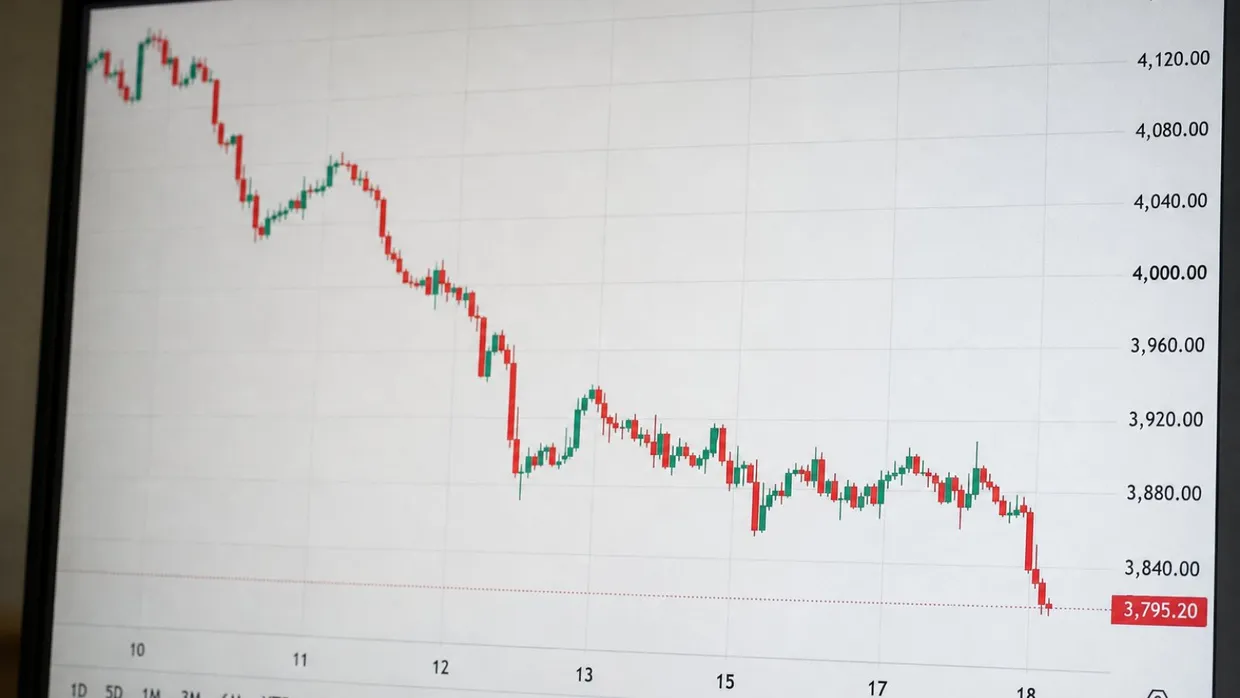
Gold fell below $3,800 an ounce in Asian trading on Wednesday, extending its decline to the lowest level in more than a year as markets positioned for another Federal Reserve rate increase.
Spot gold dropped about 1.4% to around $3,795 after touching a low near $3,792, while futures lost almost 1.8%. The move pushed bullion beneath a closely watched psychological level and kept attention on XAU/USD sensitivity to US yields and Fed expectations.
Rates pressure
The latest decline reflects a market backdrop dominated by higher US rates rather than traditional haven demand. US 10-year Treasury yields are hovering around 5.1%, while the dollar is near its strongest level in 19 months.
That mix is difficult for gold. Higher yields increase the relative appeal of income-paying assets over a metal that pays no yield. A stronger dollar also raises the cost of gold for buyers using other currencies, adding another source of pressure.
The shift is a sharp reversal from the environment a year earlier. In November 2025, gold was starting a move toward a record high as investors looked for two or three Fed rate cuts in 2026. The current setting is centred on tightening expectations, and bullion has given back a large part of those gains.
Geopolitical risk has not changed that pattern. The Iran war has lifted oil prices, which can feed inflation expectations and support bets on tighter Fed policy. In this cycle, escalation in the Middle East has tended to weigh on gold through higher yields rather than support it through safe-haven flows.
Fed focus
Markets are pricing roughly a 96% chance of a quarter-point Fed rate hike in December, according to CME’s FedWatch tool, with a smaller probability assigned to a half-point move.
Fed Governor Christopher Waller reinforced those expectations last week when he said a half-point increase may be needed if core inflation runs hot. That made Wednesday’s minutes from the Fed’s October meeting a key event for gold traders.
A hawkish tone in the minutes would be likely to strengthen December hike expectations and keep pressure on bullion. Some analysts are watching support near $3,708 if selling continues.
A softer message could change the short-term tone, especially if the minutes show concern inside the Fed about the recent sell-off in technology stocks. Analysts say any dovish surprise would be the main catalyst for a short-covering rebound.
Metals outlook
The pressure on gold is also shaping expectations for related markets. Gold miners and silver are likely to remain under strain while US yields and Fed pricing stay elevated, although silver has held up better than gold in recent sessions.
Banks are also revising their assumptions. Goldman Sachs analysts Lina Thomas and Daan Struyven cut their end-2026 gold target to $4,150 an ounce from $4,650. They argued that a hawkish Fed could block the usual support gold receives when yields fall.
For now, traders are treating gold less as a geopolitical hedge and more as a rates-sensitive asset. As long as the market expects the Fed to tighten policy and Treasury yields remain near current levels, bullion is struggling to attract sustained buying interest.