Gold slips below $3,500 as Fed inflation view weighs on risk appetite
Gold fell below $3,500 as firm US inflation data supported a hawkish Fed outlook despite lower Treasury yields.
Top-rated brokers
Compare all 9- 1
 XMBest overall for gold CFDsGold spread0.25Visit XM (opens in a new tab)
- 2
 XTBGold CFDs and real gold ETFsGold spread0.35Visit XTB (opens in a new tab)
- 3
 PepperstoneMost regulatorsGold spread0.05Visit Pepperstone (opens in a new tab)
CFDs are complex instruments and come with a high risk of losing money rapidly due to leverage. You should consider whether you understand how CFDs work and whether you can afford to take the high risk of losing your money.

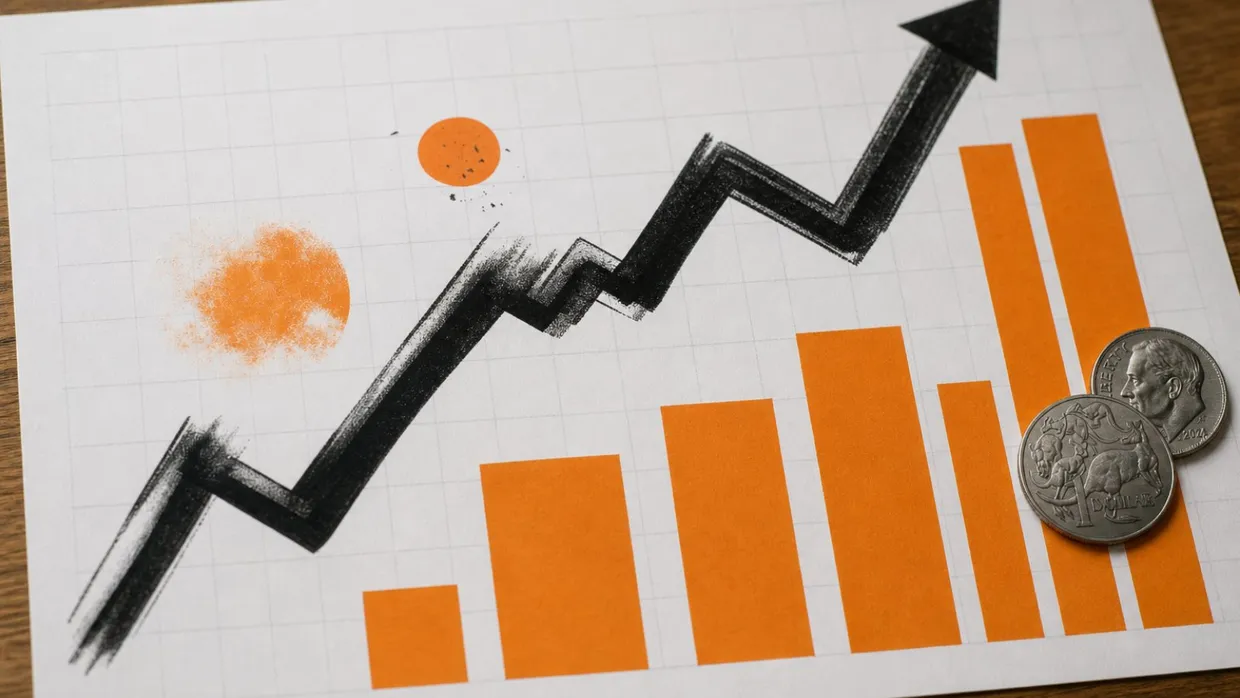
Gold extended its decline on Wednesday, slipping below $3,500 as US inflation data reinforced expectations that the Federal Reserve will maintain a hawkish policy stance. XAU/USD traded around $3,469 at the time of writing, down 2.34% on the day and at its lowest level since September 2025.
The move came even as US Treasury yields fell and the US Dollar gave back part of its recent advance. Weak risk appetite, pressure in technology shares and tariff concerns kept markets defensive, while the sell-off also reached metals.
Inflation data keep Fed outlook firm
The latest US inflation figures strengthened the view that the Fed will keep policy tight. The core Personal Consumption Expenditures Price Index rose 3.3% year on year in October, up from 3.1% in September and above the 3.2% forecast.
On a monthly basis, core PCE inflation held at 0.3%, matching expectations. US Gross Domestic Product grew at an annualised rate of 4.3% in the third quarter, above the 3.4% forecast.
Traders are fully pricing in a 25-basis-point rate increase in December, according to the CME FedWatch Tool. They also expect further increases in 2027 as policymakers work to bring inflation back to the Fed’s 2% goal.
For gold, the immediate focus remained on the policy signal from inflation. The metal’s drop below $3,500 showed that the prospect of a hawkish Fed outweighed support that might otherwise come from softer yields and a weaker dollar.
Treasury yields fall as the dollar eases
US government bond yields moved lower across the curve as investors shifted out of US stocks and into Treasuries. The benchmark 10-year Treasury yield traded near 4.83% after touching 4.80%, its lowest level since September 9.
The US Dollar Index, which measures the Greenback against six major currencies, slipped to around 103.60. On Monday, it had reached a 20-month high of 104.59.
The dollar’s pullback helped the Australian Dollar recover some ground. AUD/USD rebounded after touching 0.6559 earlier on Wednesday, its lowest level since December 2025. The pair later traded around 0.6625, still down 0.25% on the day.
Tariff concerns add to market pressure
Risk appetite weakened as technology shares led the decline on Wall Street. The Trump administration’s proposal for new tariffs on 14 trading partners added another layer of pressure to markets.
The broader sell-off extended into metals, including gold. That also weighed on sentiment around the Australian Dollar because of Australia’s exposure to commodity exports.
Gold’s decline therefore reflected more than one driver: persistent US inflation, expectations of further Fed tightening, equity-market weakness and a retreat across parts of the commodity complex.
Australia inflation shifts RBA expectations
Australian inflation also surprised to the upside. Brown Brothers Harriman’s Elias Haddad noted that headline CPI rose to 4.9% year on year in October, above the 4.7% consensus estimate and up from 4.3% in September.
Haddad identified electricity, new dwelling expenditure and transport as the main drivers. He said both headline inflation and trimmed mean inflation were above the Reserve Bank of Australia’s December forecasts of 4.5% and 3.6%, respectively.
He added that inflation is moving further above the RBA’s 2%-3% target, “weakening the case for an early cut.” RBA cash rate futures now put the probability of a 25-basis-point cut in March at 13%, down from 25%.
That repricing supported the Australian Dollar at the margin, but it did not reverse the broader caution across risk assets and commodities, where gold remained under pressure.