Mann urges faster BoE rate rises as inflation risks increase
BoE policymaker Catherine Mann said inflation expectations risks are tilted upward and argued for earlier, larger rate rises.
Top-rated brokers
Compare all 9- 1
 XMBest overall for gold CFDsGold spread0.25Visit XM (opens in a new tab)
- 2
 XTBGold CFDs and real gold ETFsGold spread0.35Visit XTB (opens in a new tab)
- 3
 PepperstoneMost regulatorsGold spread0.05Visit Pepperstone (opens in a new tab)
CFDs are complex instruments and come with a high risk of losing money rapidly due to leverage. You should consider whether you understand how CFDs work and whether you can afford to take the high risk of losing your money.

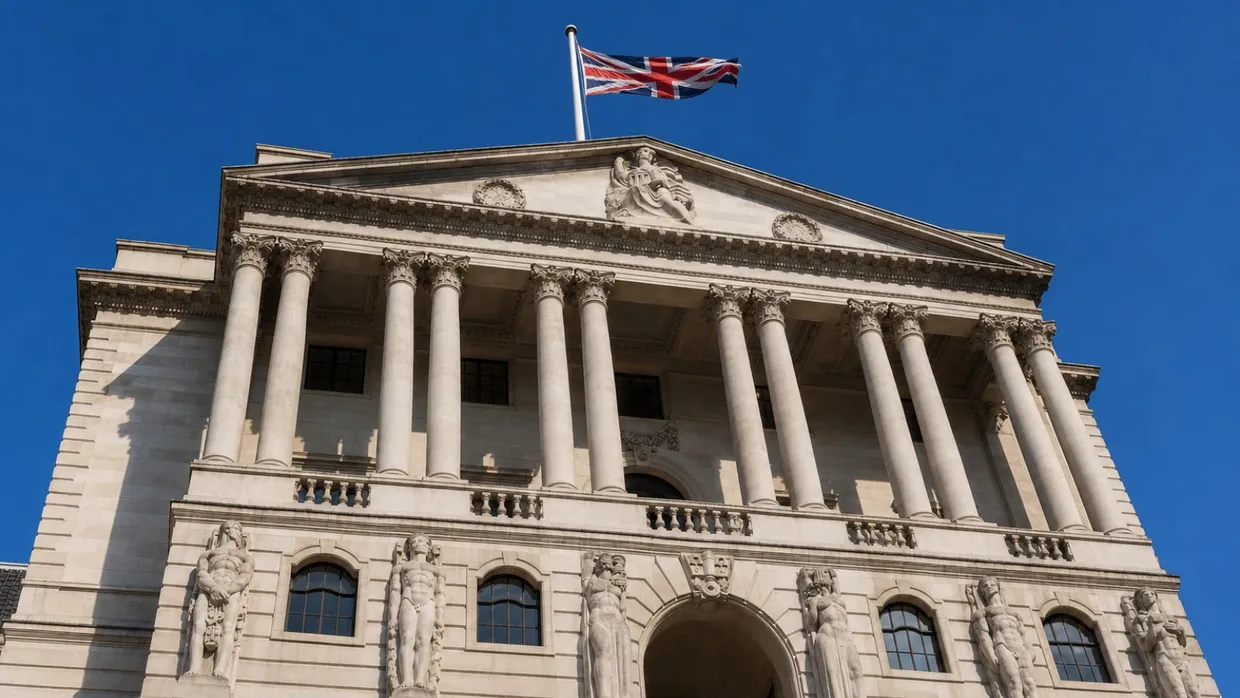
Bank of England Monetary Policy Committee member Catherine Mann signalled a hawkish stance on Wednesday, saying risks around inflation expectations are skewed to the upside and that the policy response should be quicker and stronger.
Speaking during an appearance at the UK Parliament’s Treasury Committee, Mann said the central bank’s task includes reducing inflation risk premia. Her remarks add to the debate over how forcefully the BoE should respond when inflation pressures threaten to become embedded in expectations.
Mann points to upside inflation expectations
Mann said there is an “upward bias” in inflation expectations and argued that the optimal response is to raise rates “more and sooner.” She also said energy futures have not proved to be a reliable guide to actual prices.
The comments suggest concern that markets and firms may be underestimating the persistence of price pressures. Mann also said she does not think pressure on companies’ profit margins can continue to hold inflation down.
Her focus on inflation risk premia underlines a key concern for rate-setters: once households, businesses and investors assume inflation will remain higher, those expectations can influence wage demands, pricing decisions and financial conditions. Mann added that larger policy moves can have a greater effect on pricing strategies.
BoE framework keeps inflation target in focus
The Bank of England sets monetary policy for the United Kingdom with the goal of price stability, defined as a steady inflation rate of 2%. Its main tool is the base lending rate, which affects the cost of borrowing between banks, commercial lending rates and wider financial conditions.
When inflation is above target, the BoE can raise interest rates, making credit more expensive for households and businesses. Higher UK rates can support Pound Sterling because they may make UK assets more attractive to global investors.
When inflation is below target and growth is slowing, the central bank can consider lowering rates to encourage borrowing and investment. In more extreme conditions, the BoE can use Quantitative Easing by creating money to buy assets such as government or highly rated corporate bonds from financial institutions. Quantitative Tightening works in the opposite direction, with the central bank ending new purchases and ceasing reinvestment of maturing bond principal.
Pound leads Aussie as gold stays under pressure
In currency trading on Wednesday, the British Pound was the strongest performer against the Australian Dollar among the listed major currencies. No specific percentage move was given.
For gold traders, the broader rate backdrop remains important because expectations for central bank policy can influence bond yields, currencies and demand for non-yielding assets. The immediate pressure on XAU/USD was linked to the United States, where gold extended losses after US Personal Consumption Expenditures data showed inflation remained stubborn and reinforced expectations that the Federal Reserve would maintain a hawkish stance.
Gold slipped below $3,500 on Wednesday. At the time of writing, XAU/USD traded around $3,469, down 2.34% on the day and at its lowest level since September 2025.
Mann’s comments do not directly set policy on their own, but they show that at least one BoE policymaker remains focused on upside inflation risks and sees a case for faster tightening if those risks persist.